 editor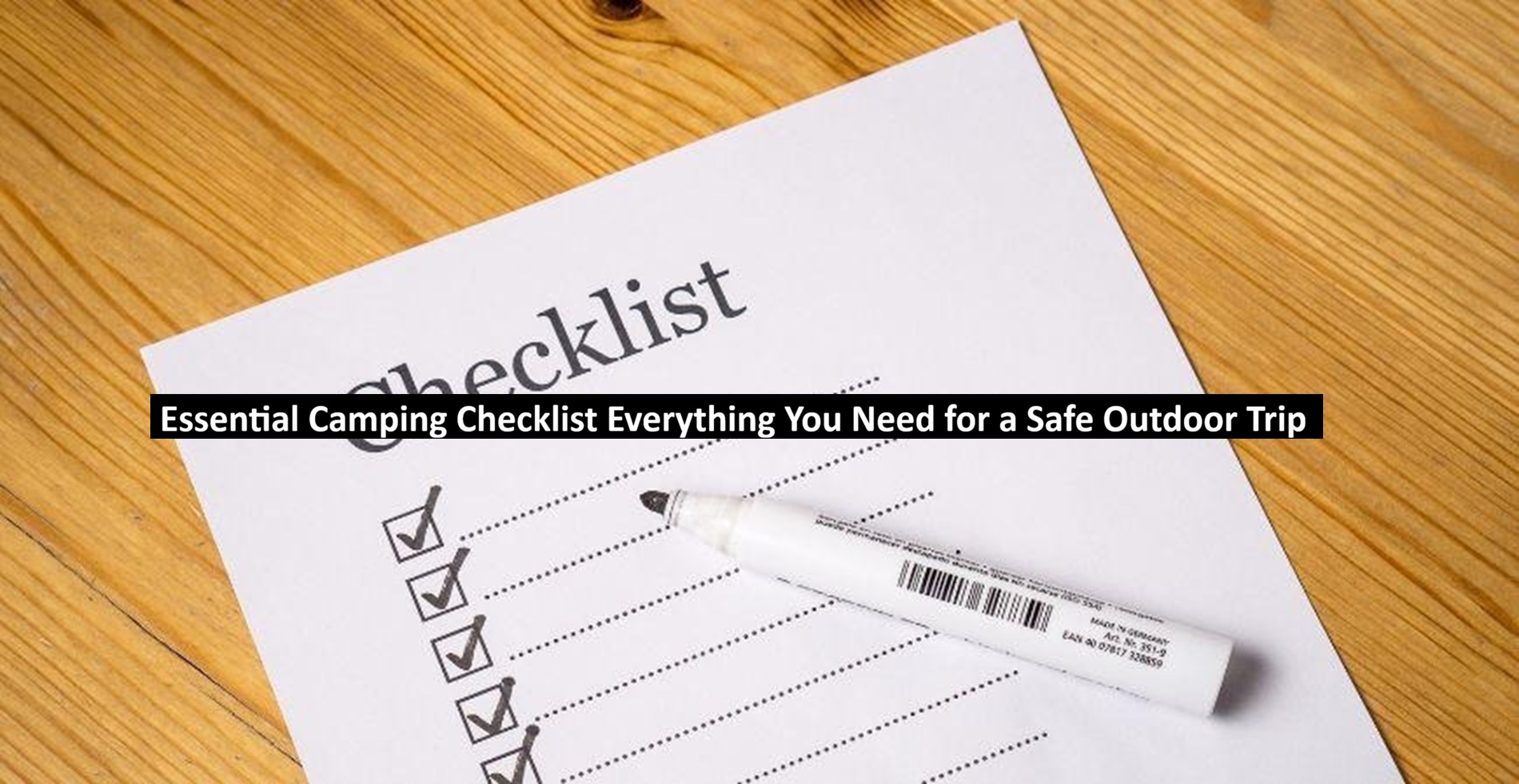
Camping out to relax, connect with the outdoors and spend some quality time with your family and friends, away from your typical city lifestyle, could indeed be considered one of the finest methods. However, in order to have a relaxed and unforgettable journey out in the open, especially if this is a first time outdoor activity for you, or if this is your long upcoming trip, some prior planning and appropriate set of items is indispensable for a safe adventure in the lap of nature. Packing with right equipment can save you from uncomfortable circumstances.
Why you should always pack an item checklist for your camping trips If something does go wrong on your next camping adventure, the chances are it’s because you left an important item at home, or you hadn’t prepared yourself for the weather! Keeping your camping checklist stocked with everything that you need is the best way to prepare for every kind of emergency and ensure that you can just concentrate on enjoying your trip. This checklist covers everything that you will need from cooking equipment to camping safety essentials.
Why a Camping Checklist Is Important
With your camping checklist in place, there won’t be any rush to pack, nor there is a high chance to forget things like first aid, a flashlight, or sleeping bags. This will help save time, too.
Organization adds to safety, too. Having all your necessary items properly packed enables you to more effectively react to changing weather conditions, small injuries, or even unexpected incidents. A good preparation means that more time spent on your trip will be devoted to enjoyment and relaxation, and not on the missing things.
Even when you pack the proper equipment, you must also keep your trip protected. Here is the reason you will want travel protections in place to be financially secure in case of canceled trips, emergency doctor visits, and any travel interruptions you experience.
Read: 7 Tips to Appreciate The Holidays
Choose the Right Shelter
Reliability of the tent It is necessary for each tourist tent. The tent must correspond to the number of people, and also to provide a good ventilation, as well as protection against wind and rain. At home, inspect the tent for any damage, check that all the stakes, poles, rain cover are on.
Your pack also needs a groundsheet, a footprint, or similar to shield the bottom of your tent from the damp and the hard stuff. It’s a simple addition which adds longevity and comforts.
Pack Comfortable Sleeping Gear
Make sure that you have packed a sleeping bag adequate to the weather condition along with the sleeping mat or air bed to isolate you from the ground and also to give support. You can use a travel pillow or inflatable pillow as an added pillow to ease up your head.
It never hurts to pack an extra blanket, particularly if you are going to be camping on higher altitudes. Investing in quality sleep gear ensures that you stay warm all through the night so that you can get up feeling great and ready for more adventure.
Bring Enough Food and Water
Food planning is an essential aspect of any camping journey. While food planning and carrying for a camping journey, ensure that you have enough drinkable water for each of your group mates along with foods that are easily prepared. The sandwiches, dried fruits, and foods for example energy bars as well as ready to cook meals and tinned foods can provide the convenience you need for the outdoor cooking and food preparation.
Always have portable water filter or purification tablets in your camp when camping outdoors, if you do not have access to fresh potable water at the campsite. Dehydration is deadly, and these are helpful in trekking and hiking adventures where you will mostly get dehydrated.
Carry Cooking Equipment
Making cooking more comfortable out in the elements is achievable when using the correct camping food kit. Ensure you include a travel stove, fuel, kitchen kit, lightweight pots/pans, re-usable dishes/ mugs/ cutlery and remember a reliablelighter/ water proof matches to get you set up for that stove or campfire.
Biodegradable soap, a sponge and trash bags will assist you in maintaining a tidy campsite. Proper disposing of trash ensures minimal damage to the environment and your campground.
Wear Appropriate Clothing
The weather can shift so suddenly out on the trails, so you want to pack light, comfortable clothing for the day time and then add some warm layers for the evening. Be sure to include waterproof jackets, suitable footwear for hiking, extra pairs of socks, a hat, gloves etc (season dependent).
Wear clothes that pull sweat away from you as you get moving. Don’t forget an extra shirt or set of clothes in case you’re surprised by a downpour or hop in some water.
Pack a First-Aid Kit
Pack A Thorough First-Aid Kit! It’s essential to have the right tools to treat minor boo-boos or discomfort – stock your kit with bandages, an antiseptic wipe, some gauze and tape, a pain killer or two, Tweezers to remove splinters, an anti-itch cream, and any necessary personal prescriptions to alleviate worry.
Before you depart, learn basic first-aid tips. Knowledge on how to manage a simple cut, burn, insect bite, sprain is a great assistance when away from a medical clinic.
Carry Navigation Tools
You’re even travelling a site that you think that you know well. A good GPS device (or a mapping application for your phone), a map and a compass are going to get you through your days of trekking. A cell phone doesn’t necessarily get service in every location that you’re likely to be adventuring.
Tell Someone Where You’re Going It is even safer if someone is aware of where you will be travelling and the anticipated date you plan on returning home as, should something unfortunate happen, you have someone there that will already know your general whereabouts.
Don’t Forget Lighting Equipment
When it gets dark outside, you need light. Your flashlight or headlamp with an extra set of batteries so you’ll be able to see anything in the vicinity of the camp at all times. Lanterns will illuminate your cooking and social area.
Using solar-recharged outdoor lights is a good eco-friendly choice. Lights help prevent nighttime falls and trips.
Protect Yourself from Weather and Insects
Just like you prepare for rain, you should also prepare for the sun. Always bring sunscreen, sunglasses, a lip balm that includes SPF, and a hat with a wide brim that you can pull down if needed to block sun rays. Also, make sure you pack bug spray to help protect yourself from mosquitoes, tick bites and many more harmful bugs.
Packing along a lightweight rain poncho and/or a rain cover for your backpack might be a wise addition, depending on where you’re traveling to. Always hope for the best, but pack for the worst!
Keep Emergency Supplies Ready
Life has a way of throwing surprises, especially when you thought you had everything covered during a perfectly organized camping adventure. This is where your kit of multi-tool, fire starter, whistle, rope, duct tape, portable phone charger, and extra batteries come in. These will literally cost you hardly any space, yet may prove immensely useful in such situations.
Store and save this information for handy reference. This way, should something unfortunate occur unexpectedly, you will be able to respond calmly and clearly.
Respect Nature While Camping
We all share this incredible natural beauty, and keeping it this way for others to experience requires practice. Clean up your site thoroughly before leaving, and properly dispose of all garbage, whether packed in or created. We do not permit littering, destroying vegetation, interacting with animals, or leaving behind food.
Abiding by local camping regulations and using the Leave No Trace principles can help protect the environment. When we show the nature the respect it deserves we are able to maintain healthy natural resources for many generations to come.
Common Camping Mistakes to Avoid
Most new campers pack either far too much equipment or too little gear. Transporting all that stuff can be a burden while lacking essentials can put your whole trip in jeopardy. Use a camping checklist to guide your pack list.
Many people do not realize it but ignoring the forecast is another mistake. Make sure to find out the forecasted weather condition before you head to avoid over packing as well as packing appropriately. You can definitely bring a weather station if you have any if not make sure you are in sync with the climate news.
Conclusion
It’s possible to go on a wonderful trip as long as it has good preparations and packing, and you make sure to take what should be the trip’s supplies like; camping structure, food, sleeping accommodation and its accessories, kitchen equipment, and health supplies, in addition to navigation tools and other basic emergency devices to make your trip safe and unforgettable, so little steps can lead you to prevent a great trouble.
Taking a trip to camp is such a good time to de-stress from routine, and to go out and enjoy the wilderness. To enjoy the experience and be safe, comfortable and ready for whatever it brings, all you have to do is pack and bring with you, with a to-the-letter outdoor and camping list.
Author’s Bio:
Lalit Sen is a freelance content writer, blogger, and digital marketing expert with a passion for creating informative, engaging, and reader-friendly content. He specializes in digital marketing, technology, travel, business growth, and emerging business travel market trends.