 editor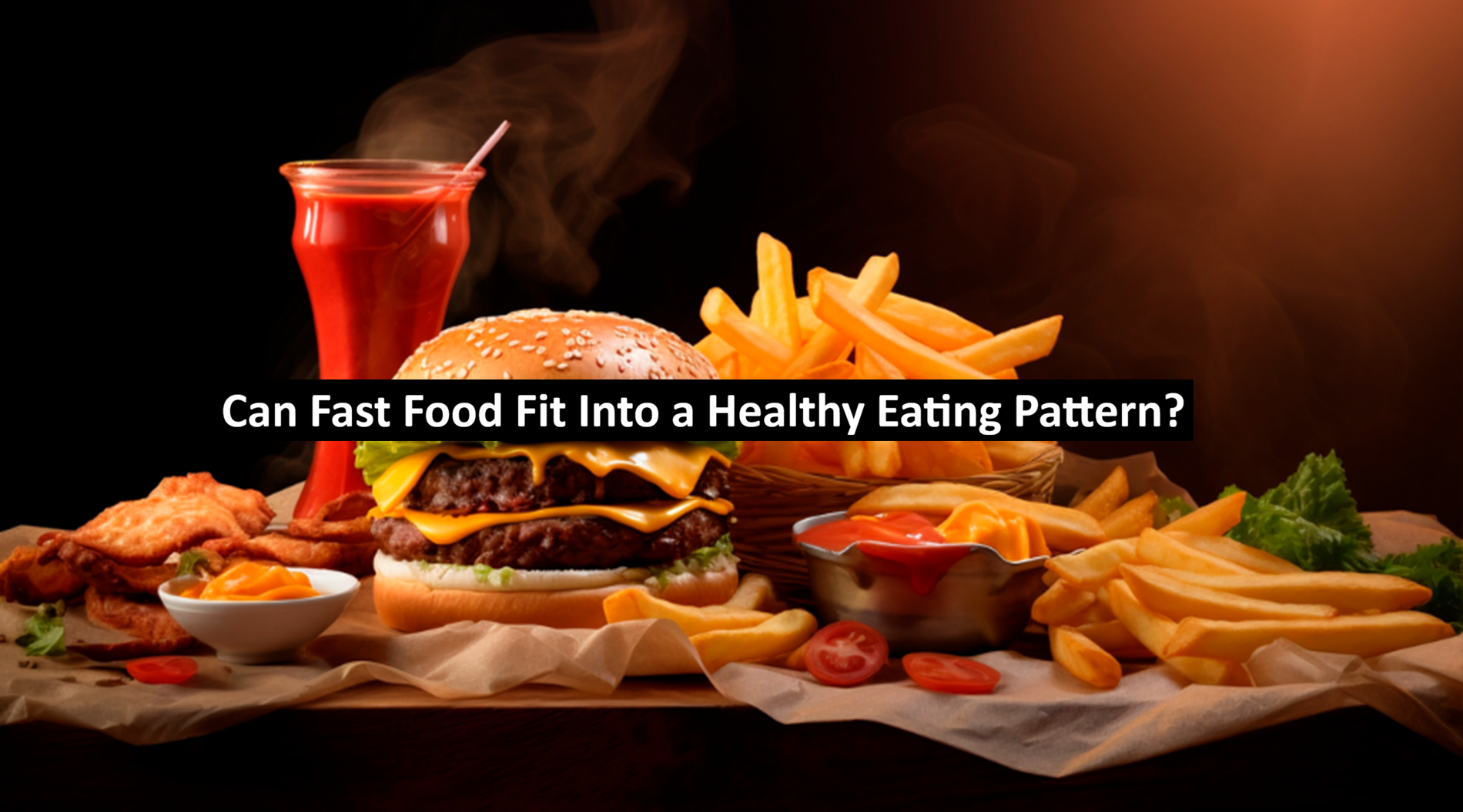
Fast food is usually not healthy, but the truth is not as simple as we think. A healthy diet is not determined by only one meal or one group of foods. It also depends on the amount, the variety of different foods, and their nutritional value, as well as the frequency of consumption of each particular item.
The Rise of a Changed Fast Food Market: The need for quickly prepared meals isn’t going anywhere anytime soon, though people have developed greater concerns about nutrition, ingredients, and eating habits. People don’t want difficulty- it needs to be fast, accessible, and with simple custom menus, lots of vegan options, and nutrition information that’s easily accessible at the click of a button. Faced with these innovations, the simple fact of the matter still stands: is fast food healthy?
This entirely depends on the choices made. The health impacts depend on the amount eaten and the frequency in the diet. A single fast food meal might contain significant quantities of calories, saturated fat, salt and free sugars, but low amounts of fibre, fruit or vegetables. Yet a single occasion of eating one of these meals will not create an unbalanced diet, as long as the overall pattern of eating is sound.
What Does Healthy Eating Really Mean?
Balanced eating does not mean all individual meals are equally nutritionally dense; the Eatwell Guide in the UK suggests the diet overall is a suitable one with contributions made to nutritional requirements from a range of food types.
Ideally, this diet includes a greater amount of fruit and vegetables along with more fibre-based starch foods, foods of protein value, dairy products or an alternative, along with moderate consumption of unsaturated fats and a limited intake of foods rich in sugar, fat and salt. The World Health Organization recommends a diet with the greater part made up of fruit, vegetables, legumes, nuts and wholegrains, with free sugars, salt and unhealthy fats not to be consumed in large quantities.
This approach is relevant when looking at fast food, where it doesn’t appear that one meal is enough to dictate the whole of a person’s diet or have that overall nutritional implication, but with regular consumption rather than being substituted instead for more nutrient-dense food types of nutrition.
Read: 5 Simple Steps to Really Appreciate Your Vacation
Why Some Fast-Food Meals Are Harder to Balance
Some of those fast-food combos are a potent collection of energy-dense components. You may even combine that in a single serving: refined bread, a fried element, cheese, creamy sauce, chips and a sugary drink. Put all of that together in huge volumes,s and it’s possible for the salt, saturates, energy and free sugar content to pile up enormously.
The challenge isn’t so much avoiding particular ingredients, but rather the frequency, quantity and role they play in our broader diet.
Salt is specifically important as takeaways and processed foods contribute heavily to how much salt we consume day by day. The WHO suggests that adults have less than 5g of salt per day (which is 2g of sodium per day).
Another concern for these meals is the quantity of free sugars. WHO guidelines recommend free sugars should account for less than 10% of energy intakes and further reductions may confer additional health benefits.
Drinks are another potential driver, which can change the overall health impact. Sugar- sweetened drinks deliver vast amounts of free sugar without necessarily delivering a feeling of satiety associated with food. So swapping an unsweetened option or water may easily cut out sugar from a meal.
Why Portion Size Matters
How much we eat can make a real difference to the calorie content of a meal. With bigger servings, it is so easy to eat too many calories-especially if something has been fried, is accompanied by sauces, or otherwise has a high energy-adding element.
You don’t need to weigh everything you eat or measure its calories every meal. An easier option is to decide if a particular portion size would satisfy your hunger and be proportionate with what you’ve had or still need to have.
Take a smaller portion of one item, ask to share a side, or skip the extras if you really don’t want them: you might decrease what you eat significantly without revolutionising your diet.
Looking Beyond Calories
Calories are an indicator of the energy content of foods, but they can’t tell us anything about quality. A particular meal may contain a similar level of energy to another but a lot less of certain nutrients, vitamins, and fibre. For example, foods like fruits, vegetables, beans, legumes, whole cereals, nuts, and seeds contain a considerable level of fibre and various other nutrients.
Many traditional combination meals with fast food include relatively little of these kinds of foods.
This is not to say it means the burger, the chips, or a pizza can’t fit into the diet; the key here is choice. If we have a meal where there is little in the way of greens or fibre, we can have greens and fiber in our other meals for the day. Therefore,e when you make decisions about dietary intake,ke it is worth viewing it as total or even per-week intake.
Making a Convenient Meal More Balanced
In cases where the most practical meal option is fast food,ood it is possible to influence the nutrition make-up with fairly minor variations. Where the fat content of meals is concerned, opting for grilled, baked, or roasted food as opposed to fried food will see some meals benefiting. Adding vegetables or salad will be beneficial for the plant content of a meal,l and a smaller portion of chips as opposed to normal portions is often available; thus altering the total energy content of the meal.
Drinks consumed as part of the meal should also be considered. Providing water or an unsweetened drink will further contribute to limiting free sugars, especially since there are likely to be already several higher energy content ingredients included in the main part of the meal.
Sauces, dressings and additional toppings for a meal are another element that may warrant attention. The exact quantity and indeed presence of such components will influence the level of salt, fat and/or sugars consumed by a diner, and requesting these separately from the main meal to control portions can have a beneficial impact.
These simple changes are not intended to justify fast food as a “healthy” meal, merely highlight possible modifications for a given portion based on individual requirements and choice.
The Importance of Fibre
Fibre is an important part of the diet and may be an area overlooked when judging the nutritional value of food eaten from takeaway.
Wholegrains, vegetables, fruit, pulses and seeds or nuts will provide a variety of sources of fibre, as well as many other vitamins, minerals and substances that make for a healthy diet.
The use of refined carbohydrates in a wide variety of takeaway meals is accompanied by a tendency to use fried foods. The average intake of fibre will therefore likely be poor, if the regular consumption of a wider variety of fibre-rich foods is maintained in other eating circumstances.
This goal does not necessarily require eating more fibre-poor takeawasy food, but rather ensuring an increased variety of foods providing fibre regularly are eaten when not obtaining takeaway.
How Consumer Trends Are Influencing Convenient Food
Convenience also remains a consideration for the individual, in particular among individuals with demanding schedules, long commutes, who travel frequently, or are juggling family and professional demands. Simultaneously, the food industry is guided by increasingly informed consumer desires for food ingredients, diet type, and nutrition data.
The study would give context in which consumer behavior within the food environment evolves. It illustrates consumer, product, and tech trends influencing the food environment.
Industry research and nutritional guidelines do, on the other hand, serve different purposes. Market research serves to explain consumer and industry trends, whereas dietary guidelines serve to establish nutritional decisions appropriately.
How Technology Is Changing Food Choices
It is now more convenient for customers to view, customize, and order pre-prepared meals. Using mobile applications or electronic menus can enable a customer to check the ingredients, allergenic information, as well as the nutrition of a meal before making the order. This information might enable them to select meals and/or alternatives depending on what each one considers most important.
Ease of customization in the ordering process via technology would enable users to order such meals with certain components removed; they might choose a different portion size or side dish.
Nevertheless,s technology would not necessarily help customers choose healthier alternatives, es as electronic menus can ease the process of adding more choices or a larger portion size.
Are Plant-Based Options Automatically Healthier?
With a greater selection of plant-based fast food readily available, customers certainly have greater choice, especially for consumers who are cutting down on the amount of animal products that they consume. However, plant-based foods can still be very nutritionally unbalanced.
For example, some plant-based burgers are higher in salt, saturated fat, or energy than meat burgers, whereas dishes including vegetables may still be deep-fried and/or served with a high amount of sugar in their sauce. It is important not to look at one description of the food and look at it from the viewpoint of overall food composition. Vegetables, pulses, whole-grains, nuts and seeds can be beneficial in a plant-rich diverse diet, and the less nutritious plant-based product included according to what the customer would desire should still include adequate nutritional values.
Why the Overall Diet Matters
Food decisions aren’t driven solely by nutrition alone. Your lifestyle and choices also affect what goes on your dinner plate – think your food budget, convenience, tastes, how easily food can be obtained, family meals, and limited hours. If you’re working full-time or constantly on the move, making every meal entirely from home simply won’t work for everyone.
In other words, when following a healthier way to eat, it is important to acknowledge those real-world constraints.
You won’t do yourself much harm by ordering takeaway food occasionally, especially within an otherwise balanced diet; but not if almost all your meals are on the run and are rich in calories for most of the week. The context and frequency therefore can even be far more critical than food itself; that’s why dividing foods strictly into ‘good and bad’ makes little sense at all. It can be more useful for many people to assess the frequency you’re regularly having food. For those who may be suffering specific conditions like dietary restrictions, personalized help may be appropriate, and in these cases a certified or registered dietitian or health expert can suggest guidelines for your nutritional needs.
What Could the Future Bring?
Prepared food is likely to evolve. We see ongoing impacts from technology, as well as evolving demands and dietary patterns. Already, the growth in digital ordering and delivery has transformed our choices in a variety of different ways.
Enhanced transparency about nutrition or increased options for customisation have opportunities to enable the “right” choice.
Further research interests in alternative sources of protein or recipe re-evaluation are also likely to affect product formulation and availability. This transparency of nutrition, for example, could empower people to compare foods before selection, and the rest of the food supply in which choices about prepared food are set may well play a critical role. In other contexts, access, availability and cost influence the realizability of dietary advice. Thus, healthy eating may be seen as an issue both of “individual” decision and the foods provided in and accessible to communities.
A More Practical Way to Think About Fast Food
Perhaps it will be more helpful and avoid the rigid argument of “is fast food good or bad” to consider a few factors of the meal and diet. These factors will be to think about the nutritional value; whether it provides a good source of protein, whether it is packed full of fruit/veg/fibre (or another healthy version of it), portion size, and the amount of salt/free sugars/saturated fat in the food if the nutritional information is available. Along with this is considering what drink is ordered, especially in relation to added/free sugars.
Also, it may be worth remembering how the rest of the diet that day and possibly other days looks.
If a meal is rather low in fibre/vegetables, then this could be considered and made up by foods at other times. This way all foods can be adapted or consumed.
Finding a Sustainable Balance
Fast food in a healthy eating pattern. There’s a place for takeaway in a healthy eating pattern. The fact a person takes away from a fast food outlet once in a while isn’t the issue; the issue is the size of a takeaway in the larger pattern of eating. A solid foundation of an eating pattern consists of a regular intake of a wide range of vegetables, fruit, whole grains, legumes and other nutrient-dense foods.
These food sources can then be consumed in greater quantities with salt, free sugar, or saturated fat in the diet in smaller quantities and less frequently.
Healthy eating is, in fact, not perfection; rather, consistency. People are all busy with social engagements, and there are days when convenience is the priority. A pattern needs to address this reality without undermining nutritional requirements. It is more realistic than to avoid totally that any visit be made from a takeaway establishment but rather to look at what the takeaway meal consists of, how large the portion that is given is, and what it represents as a part of the entire pattern of meals for a person, and not what goes into the mouth from time to time.
Author’s Bio:
Roshan Kumar is a writer and researcher who covers food, nutrition, consumer behaviour and developments across the food industry. His work explores a range of topics, including the Fast Food Market, changing consumer preferences and the role of convenience in modern food choices.